
You are currently browsing the category archive for the ‘DRUGS & ADDICTION’ category.
The opioid overdose epidemic has a new player on the block and its name is 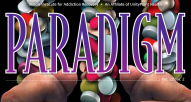
fentanyl.Fentanyl is a synthetic opioid developed in 1960. Its initial use was as an anesthesia adjunct in the operating room but over the years its use has broadened to acute post-operative analgesia and the management of chronic pain. Fentanyl is highly potent with an estimated potency of 50-100 times that of morphine. Paradigm is an excellent publication by the Illinois Institute for If you click on this link: Opioid Epidemic , you will get access to this wonderful publication with information so necessary in fighting addiction. Please enjoy and intellectually prosper. Save lives.
 Jessica Cooper of Beachway Therapy Center, writes about EMB-001, an new addiction cessation drug by the Embera Corporation. You have heard of Nicorette, a nicotine cessation, drug. This takes the idea much further. It addressess a potential cure for cocaine addiction. Go to AddictionCuringMedication to view Jessica’s research.

 CNN.com summarizes the current state of celebrity substance abuse. It seems each generation of stars struggles with addiction. These are people that America worships in movies and sitcoms. These battling stars mirror many of the problems that families struggle with everyday not the least drug addiction. They do it often in a bigger way punctuated by frequent tragedy. You can view CNN’s slide show in Jeremy Miller from ‘Growing Pains’ talks addiction
 Report: Peaches Geldof Died From Heroin Overdose – TIME.com. The daughter of Irish musician Bob Geldof, Peaches Geldof shared the same tragic fate as her mother, British television personality Paula Yates, who died from a heroin overdose when Peaches Geldof was 11 years old. Really! If we know this, is it possible to recognize what we are doing, just is not working.
 It you can get by Russell’s poetic writing talent, he makes a good point even though one mitigating benefit of ACA compliance is access to treatment. What lingers is stigma. That is still fueled by bias not the least criminalization. We miss Hoffman. He was a great actor, but under our arcane laws, being an addict made him subject to criminal consequence. Not much more has to be said to imagine all the repercussions of that and why someone could die alone. Here is Russell’s article: Russell Brand: Philip Seymour Hoffman is another victim of extremely stupid drug laws | Comment is free | The Guardian.
RELEASE THE SHAME OF ADDICTION by Elaine Pawlowski. Elaine writes for the Huffington Post and relates her own experience to an issue that tears apart families. Not only are drug addiction and alcoholism denied a real treatment modality; the stigma of being a victim to addiction is numbing. View http://www.weareshatterproof.org/ for the work of one organization seeking to confront the negativity in dealing with these real problems. links by Elaine
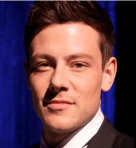 I recently read an article by the Calgary Herald’s Licia Corbella called Vancouver’s easy drug access may have helped kill Monteith (Cory). She is obviously disgusted with Vancouver’s HR injection site, Insite, and decided to make a case against it by contriving a link to Cory’s death. This was my response:
HR (harm reduction) highlights an epidemic that justly deserves discussion. That should be the topic. Insite is more a reflection of a broad picture. As much as Vancouver is a bright spot in showing new possibilities in North America for planning and social evolution, Vancouver is also showing something born out it’s attribute of compassion. That explains why it has a government sponsored injection site called Insite. These type of HR facilities do not contribute to fatal drug overdose, they lessen the possibility including the proliferation of other disease. As for obtaining street drugs, there is unfortunately immediate wide spread availability of dangerous drugs anywhere in the U.S and Canada including Vancouver irregardless of Insite’s existence. Overdoses are common through out the U.S. and Canada and in fact an epidemic. HR injection sites are actually non-existent in North America other than Vancouver. See Insite. Harm reduction is an illumination of the tip of a great iceberg of drug addiction and abuse that plagues North America. The drive for the medicalization of addiction is highlighted in places like Vancouver and Dr. Gabor Mates’ work. What most of us do not readily see is the rest of the iceberg; the greater impact of addiction. It hides in our families, homes, our hospitals, our jails, prisons, our streets and in our morgues. Tragically young actor’s like Cory have to die in the context of a problem that is so pervasive, cunning, baffling, and powerful. The solutions will be game changers and we do not know who will lead the way; maybe places like Vancouver. More than ever, millions of parents and professionals want to see the best happen in making a difference in the bigger picture of addiction, its impact, and the flow of our common capital into the pork belly of this beast.
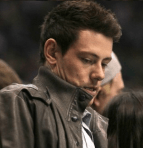 Addiction: The disease that lies – CNN.com
Another young actor taken needlessly by addiction. Deaths caused by addiction have risen astronomically and drug overdose is now the No.1 cause of accidental death in the United States; more common than death by car accidents.
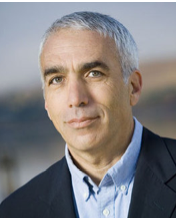 What I find exceptional about David Sheff’s message, is that it is expressed in what he learned about his son’s addiction to methamphetamine and what that means to the bigger message of dealing with the scale of addiction in America. I am impressed that important people are listening. Addiction impacts almost every family in some way. David Sheff supports legalization but picks no bones about the risks of drug use. His message, in no way is intended to allude that any drug is safe. Listen to this interview: David Sheff, Author Of ‘Clean’ speaks to NPR. It’s not complicated. Addiction needs to be classified as a medical condition. To do that best, requires the decriminalization of those afflicted with this disease including their habitual use. In regards to legality, we can treat drug abuse much the same way we would with alcohol abuse. We all know drinking can be deadly.
David has the attention of important ears. Read Dr. Sanjay Gupta’s poignant CNN transcripts in a conversation with David entitled, Addiction: Life on the Edge . Listen to David discuss addiction on this short video clip in the TIME 100 most influential thinkers of 2009. “We treat the medical consequences of the problem (overdoses, car accidents, cancer, HIV, mental illnesses) but not the disease itself. Our investments in research and services for addiction treatment are a fraction of the costs associated with drug-related incarceration and lost productivity. Yet punishment and stigmatization do nothing to ameliorate the problem.” link by Marcia.
Born Broken is a blog worth visiting by a writer with a story to tell about addiction in his family. Steve R. has just published a book that is an exquisitely candid account of his life experience. You can view excerpts on Amazon’s preview feature, “look here”. Enjoy. link by Steve R.
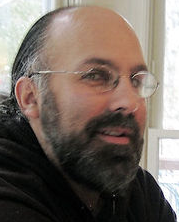 Here is someone who looks deep into the neuroscience of addiction, shedding some light in areas you might not have thought about. David J. Linden is an American professor of neuroscience at Johns Hopkins University in Baltimore, Maryland, and the author of The Accidental Mind: How Brain Evolution Has Given Us Love, Memory, Dreams, and God. [1] The book The Accidental Mind is an attempt to explain the human brain to intelligent lay reader. CLICK HERE FOR THE NPR INTERVIEW WITH LINDEN If your interested in David’s latest book, The Compass of Pleasure, you can go to his blog and learn more.
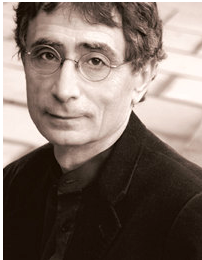 Gabor Maté, is an influential physician who knows what it means to think outside the box. His efforts have provided leadership in harm reduction and uncovering the mystery of addiction. Harm reduction is controversial. It is a theory of practice in dealing with addiction that is hard to swallow for mainstream America, but in some circles, it is viewed as necessary. Gabor makes sense out of it. he has committed his practice to working in the trenches with the worst the world of addiction has to offer, primarily in Vancouver. He does it in a way that only the context of raw addictive behavior gives it unmistakeable clarity. In 2009, Maté published In the Realm of Hungry Ghosts, a book that describes his realty of working in a Vancouver skid row addiction clinic. The Fifth Estate is a Canadian CBC news show that did a focused film series on Maté, his colleagues and several drug addicted patients. It included an episode about Maté’s clinic called Staying Alive.
 Dr. Sanjay Gupta: The truth about prescription medication addiction CNN.com Blogs. Every 19 minutes someone dies because of misuse of prescription medications. Sometimes it is because they take too much. Many times it is because they forget or ignore the warning their doctor gave about combining the medications with alcohol. And tens of thousands of people die every year as a result. Click on the link above to view the article
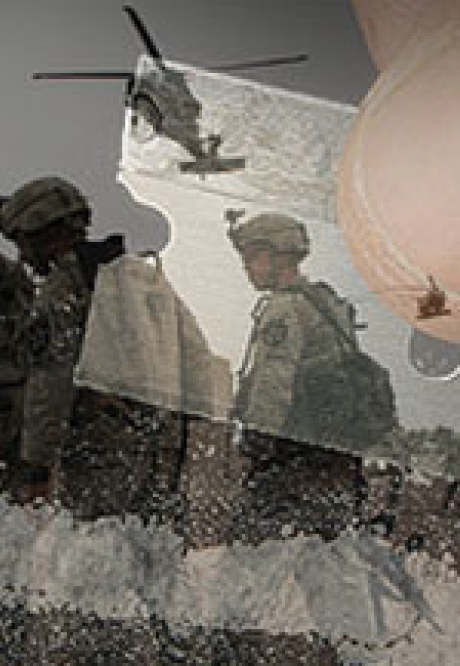 Members of our military returning from combat operations have high rates of substance abuse. They often exhibit a co-occurring triad of post traumatic stress disorder (PTSD), traumatic brain injury (TBI), and pain, which complicates the problems with substance abuse and leading ultimately, to addiction. Read more in Returning-Veterans-With-Addictions (PDF) For related links, see also Prescription Drugs and Our Military and Veterans Bear Brunt of Weak Treatment Options.
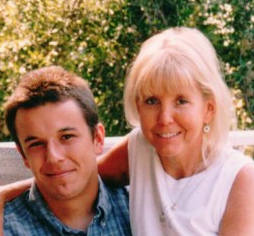 Denise Cullen has lived through one of the worst tragedies a mother can experience She lost her child. But if there is anything worse than losing a child, it is losing a child to a drug overdose, because grief is accompanied by stigma and blame. Read her account by the NC Harm Reduction Coalition in Daily Kos: The Stigma of Drug Overdose: A Mother’s Story.
Rewiring the brain against addiction is an idea that holds the key to the answer. Having known suffering drug addicts, its safe to say that “just quitting” is not an answer. The Depression that goes along with addiction, often predicating the need for drugs to begin with is a key area of study. Dual Demons! as it called, continually feeds into the reality of repeated relapse. Addiction is a disease that requires the equivalent focus in dollars and effort of the drug war itself. Once we get big Insurance and big Pharma to play the game of real recovery we can start poking holes in the sails of drug trade. De-criminalizing addiction would cripple illegal drug trade. Imagine a world of compassion, recovery and freedom from addiction. Links by M. Slivinski.
 “Kicking” opiates is exceptionally hard for most addicts during the first week. If an addict succeeds the initial physical part of withdrawal, an addict will have to bear out a condition similar in some respects to methamphetamine withdrawal called P.A.W.S., post acute withdrawal syndrome. That’s really the tough part. It takes months and is predominately psychological. PAWS hits a average peak in 3 months making the risk of relapse very high for the first 3-6 months. That is why short term treatment claims can be mis-leading. Here are some links that are very helpful in explaining the complexity and details of what treatment and recovery look like:
Opiate Addiction, A New Breed of Drug Dependency Warrants Unique Approach ♦ Understanding Drug Dependence, Novus Medical Detox ♦ Treatment Options of Long Term Opiate Addiction ♦ Suboxone Assisted Treatment ♦ Aegis Medical Systems, Video Library ♦ National Advocacy ♦ Medical Assisted Treatment ♦ NIDA, Treatment Options ♦ links by Mary Slivinski
“The world is a dangerous place to live, not because of the people who are evil, but because of the people who don’t do anything about it.” — Albert Einstein
 “The likelihood for addicts to get effective treatment improved greatly last month, when the American Society of Addiction Medicine (ASAM) released it’s public policy statement on the definition of addiction. Boldly stating that addiction is a “primary, chronic disease”, ASAM has established the role of neurobiology in the development and maintenance of all addictive behaviors” Barry Lessin. Read the rest of Barry’s article by click on title: Addiction Really is a Disease
Black Tar is a perfect storm for kids and 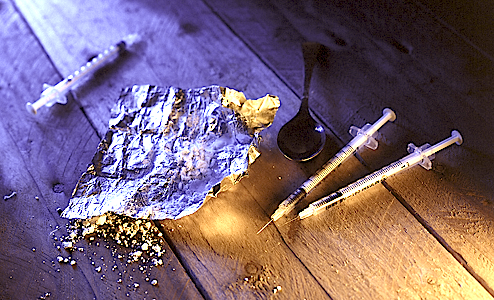 adults alike getting hooked on pain pills. As the much higher priced oxycontin continues to saturate suburban streets, black tar use is exploding. Narco-traffickers know this and target middle American pill heads with cunning door to door delivery of cheap heroin. Listen to Diane Sawyer of ABC News urgently report this growing epidemic in “Heroin in the Heartland” and read about yet another huge Pittsburg Heroin Ring Bust over this past weekend. Links by Keith.
 For an opiate addict, getting off heroin is probably one of the most difficult things anyone can do, but most people chastise addicts for not quitting. It’s easier said than done and the infamous “cold turkey” seldom works for most addicts. Replacement drug therapy had been a choice for many opiate addicts seeking to normalize their lives and get away from of the torment of addiction. With respect to reducing damage to not only society, but the life of the addict themselves, quite a few options have emerged in recent years. Methadone, a long acting opiate drug itself, has been around the longest. As pharmaceutical development progressed, Suboxone, Probuphine, and Vivitrol have followed. Vivitrol, actually not an opiate or a partial opiate like buprenorphine, the proprietary name for Suboxone. It is developed from naltrexone, originally used to treat alcoholism. Recovery Helpdesk is an excellent website, committed to explain in more detail the mechanics of making the right choices for addicts.
Heaven, Hell, Heroin: Lessons Learned From One Young Man’s Death. Before reading; know that this is a sad real life story by Steve Damish, October 2009. Happens more than you know. Post by Mary S.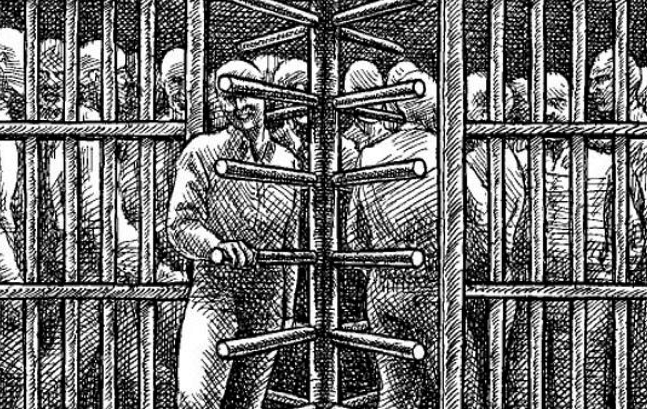 As U.S drug policy continues to rely on a counterproductive drug war, resistance to moving towards decriminalizing addiction, persists. Of course, the losers are young addicts that can and should be rehabilitated. many are on the road to become criminalized addicts, if not already there. Some have a hustle; others fill our jails. Make no mistake, many are our children and relatives.
Public and private treatment institutions remain effectively, insignificant in dealing with the populations that need their services. The realty is that it takes money to recover and isolation from the outside world for a typical addict. Treatment professionals agree that a long period of abstinence is necessary for the restoration of naturally occurring dopamine and receptor functioning. Without this transformation and internment, an addict exists in an emotional black hole. The loss of 7 million Americans to addiction each year is very significant. An alcohol and drug dependent America is dragging us down. With exception to the Veterans Administration and federally funded programs, our insurance and healthcare policies are ineffective. They do not deal with co-existing mental disorders or proper treatment. Typical insurance and health care policies consistently demonstrate rejection of proper substance use disorder (SUD) treatment. Except for sparse and difficult public funding, insurance companies rarely pay for basic replacement drug therapy which is relatively cheap.
We live in a world that hates addictive behavior, yet silently condones the biggest drug dependent and alcoholic population on earth. People like Governor Scott of Florida ditch prescription databases over privacy and business rights. How does that even fit? Our government claims to want to eradicate demand and source, yet have at least enabled or created a situation in which more pharmaceutical opiates are available than ever and our budget to fight the drug war in Mexico is as counterproductive as our U.S. job eating trade deficit. Instead we jail addicts. Addicts who are not violent, should be screened and sequestered in an environment geared to treatment. Dollars spent to accomplish this can come from otherwise, redundant incarceration. Addicts are human beings that need to be rehabilitated. Jails and prisons are good at warehousing and worsening criminal behavior. With an exception to federal prisons, what is missing, is the willful intent to screen and rehabilitate.
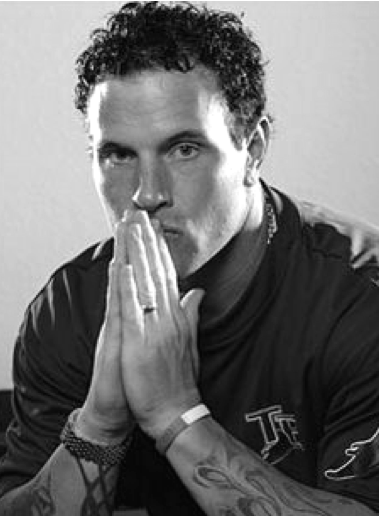 If you watched the 2010 world series, you may have noticed Texas Rangers Phenom Josh Hamilton who led his team to the big October showdown in the baseball world. He has a batting average of .352 and hit 32 home-runs in 2010. What makes this a bigger story is Josh’s journey from drug addiction to baseball stardom. The blog “Man of Depravity” published Josh Hamilton’s story in a short bio and video you should view called Heroin to Home Runs; The Story of Josh Hamilton. Hamilton pulled no punches in laying it down to a higher power the same way he pulls no punches when he crushes a baseball. He puts out a message to all other addicts; recovery is a possibility. Every day is an another opportunity to stay sober. One day at a time. Josh has been sober since 2005 and knows intimately that successful sobriety requires daily vigilance as he follows his path of freedom from addiction. Link by Big Rod
 Here’s a trip worth taking into ABC’s 20/20 investigative journey into dangerous drug use in the suburban streets of America! For 40 minutes, 20/20 exposes a growing travesty of heroin use and the kids that have shared their horrific stories. Watch the show for your self in Teens Hooked on Heroin What makes this latest effort in social journalism worth seeing is the sheer reality of addiction to dangerous drugs that perfectly normal looking teens like Ashly and other young adults have fallen victim to right under our noses. Every parent should see this. link courtesy of Angie.
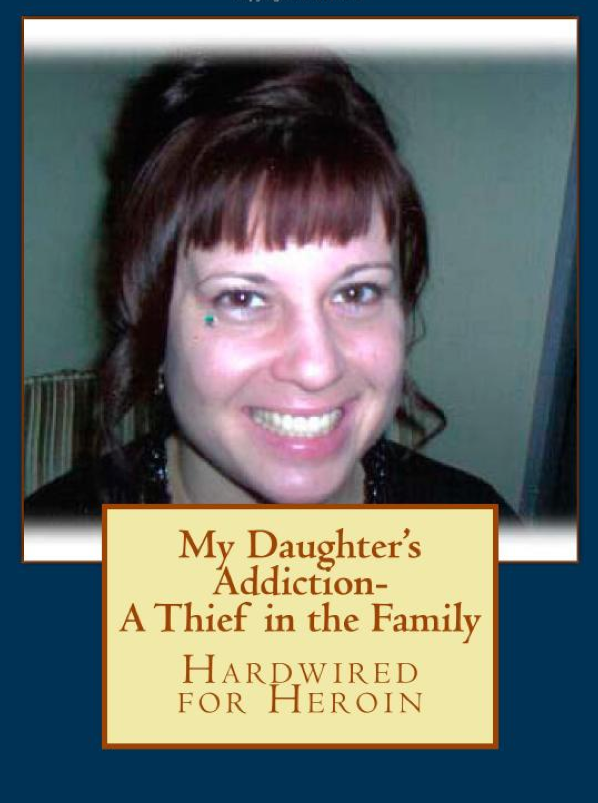 A Thief in the Family: My Daughters Addiction, Hardwired for Heroin Feb. 2009 “Death by overdose is an absolute epidemic in our society. Thousands of young adults are dying from this horrible affliction, and it needs to be brought to the forefront of public attention. We need sweeping policy changes towards addiction.” Marie Minnich. Marie is shouting out for America to wake up in this poignant book about the struggle with addiction and its toll. Excerpt from the book
A few weeks ago this website posted a some alarming news of black tar moving into the heart of America in a piece called. A Deadly Market: Black Tar in Middle America As the Associate Press reported a similar warning in Deadly, ultra-pure heroin arrives in US, we are reminded that heroin epidemic hasn’t gone away. As the cost of pills rises and new laws limit illegal prescriptions, the use of street heroin is growing. It is claiming the lives of over 3,000 users each year. Websites, such as Drug Action Network seek to reduce the carnage. Individual’s like Jim Gray seek to reform our laws making easier to treat addicts through our legal system. Law-makers like Senator Jim Webb seeks to overhaul the entire criminal justice system in the same vain. We can do this. We have to run drug cartels out of business and seize opportunities to treat addiction in a big way. Links by Mary S.
Methadone maintenance can also be an addiction and poses a long term problem for addicts seeking end their addiction if used incorrectly and abused. Here is a look into the lives of a couple of stubborn hardcore Philadelphia junkies, abusing methadone. Jeff Deeney, a Philadelphia social worker writes about two drug addicts in the context of considering heroin maintenance in a piece call Get Me My Legal Heroin. Regarding the abuse or proper use of methadone, another link to an article called, Do Methadone Prescriptions Do More Harm Than Help sheds some light on the complexity of addicts and methadone maintenance. You be the judge. Heroin addiction is not the only drug issue out there, but it has managed to trap many of out family members in life of torment. Methadone hasn’t always helped much either. How do we stop this madness? What does our government need to do to really help get under drug addiction in America? links by Mary S.
M. Scott Peck said in his book, The Road Less Traveled, that “Life is difficult.” If you have an addict in your family, you know what that means. After years of hard work and raising your children: BANG! At some painful point, you came to realize your kid is a drug addict! Here’s the kick: By the time you discover your youngster is using, he or she has actually been using for an average of 2 years. So, you took action, but it was too late for prevention. Knowing the difficulty and high cost, parents often took the easy road; accepting a half hearted contrition and going on. Before you know it; some of you are living with a hard core addict. Now you intimately know, difficult is an understatement.
Addiction causes an addict to react within the context of chemical chaos in their brains. It is a disease. Addiction changes brain chemistry. It is a medical condition that receives trivial attention from health care providers; leaving addicts and their families in ruin. We now know now that treatment and recovery is a process and not an event, yet it is treated by the treatment industry like a one time event, where families are led to invest everything they have in a short attempt to end the madness; yet what is the outcome? 5% success, 10%?, 20%?…
It is time that addiction receives mainstream designation as a legitimate medical condition that goes even further than limited parity laws require. It’s time that the burden be lifted off the shoulders of 20 million American families to play doctor to something most are powerless to. Obama’s ONDCP knows this, so why is it not public policy. This is what we need to demand of our lawmakers.
 DadOnFire
YOUR COMMENTS