Counting Days
Elizabeth has a blog called Counting Days. It’s a personal account of her recovery, actually counting each day with a blog. That’s what its about. One day at a time.

On fire about the impact of addiction and need for solutions
Elizabeth has a blog called Counting Days. It’s a personal account of her recovery, actually counting each day with a blog. That’s what its about. One day at a time.
At estimates of $484 billion dollars a year to deal with substance abuse, re-allocating budgets might pay for drug treatment; maybe stopping some of the damage before it starts. Because of increased demand for pain pills, addicted baby boomers alone will double the need for treatment dollars in ten years. Keeping addicts out of jail or treating while in, will help. 80% of inmates in America have drug and alcohol abuse problems according to the Beckley Report. Read the Drug Policy Alliance budget letter to see what is being proposed in California. links by Mary S.
Stand by me. Building a bridge between solutions and addiction
Forwarded, courtesy of Chaplain Joe Herzanek, Changing Lives Foundation
What Do You Buy An Addict For Christmas? is the name of an excellent podcast put together by Denise Kro chta podcast on WebTalkRadio.net. Denise has been down the same hellish road that so many parents of addicts have walked. Its a very bumpy road that’s not very drivable, but Denise has risen above the traps of her own co-dependence and has written about it. Her book Sweat as Denise puts it; “cuts to the chase” about what options parents have. She goes on to say, “Addiction is a disease not only of the addict but of the family.” She adds “The intention of this book is to cut through the volumes and months of time and materials I already researched and to present to you, the reader, a kind of “cut to the chase” approach to arm you with tools to help you to have a good life no matter the choices of your loved ones.” As far as Christmas gifts go, it doesn’t take a lot of imagination to figure out where money and gifts most likely will go, but there are some things you can give an addict. Check out Denise’s podcast and book.
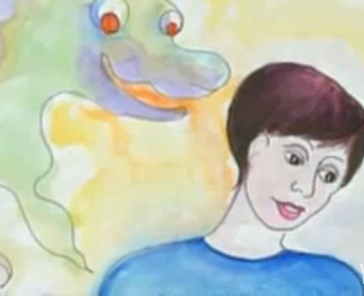
The Drug Monster is a website written by Vince’s Mom, the real life character in the story about Vince’s fall from innocent grace into the abyss of drug abuse. The site is obviously written for the young and impressionable and for their moms and dads. Drugs are a monster and early vigilance is invaluable. Take a look at the site INTERVENE which focuses on early action. Once addiction to drugs like heroin and meth sets in, every year that goes by is a year of extremely negative imprinting on the psychology of a young mind. The website and its video “The Boy Who Was Swallowed by the Drug Monster” offers an innocent explanation of youth stepping into the drug world. Vince like many drug abusers alludes to the sinister power of heavy drugs, marijuana being his gateway drug. You might also want to check out Scumbag Sewer Rats which delves into the criminalization of young drug abusers and the archetype of the eternal boy. The website, Drug Monster, is a christian one and sets a tone that underlies the basis of one successful pathway into recovery taught by Alcoholics Anonymous or Narcotics Anonymous which is letting go and letting god; having a power greater than ourselves. All addicts are who they are because of themselves. Admitting powerlessness to drugs and giving it all to a higher power is the bliss that replaces addiction to drugs and alcohol and its free. link by Donna.
 Jail systems acknowledge inmate drug addiction in some form or another. More often that not, an inmate’s addiction ends up just being an extension of his punishment; that is, not much is done about it. When an addicted inmate leave jail after serving time for a common crime of drug related theft or even possession, they are at risk of immediate relapse and overdose due to some degree of abstinence and lowered resistance to their drug of choice. Many addicts are in and out of jail for the same things, sometimes dozens of times in the life of a street addict. Clearly the cost burden is chronic. Why not capitalize on those lost expenditures? A jail in New York called Tompkins has embraced a program of seizing an opportunity for treatment. The idea of responsibly taking this task on, has led successfully to recovery for addicts leaving the criminal justice system. Accepting Tompkin’s treatment program as a paradigm (download PDF) is a no brain choice. The resources are already in place and with minimal training and protocol, the vast number of jails and prisons that do little to nothing can easily step on board. The benefits are clear. Inmates benefiting from what America’s criminal justice system has founded its principles on; rehabilitate the inmate and release a functional human being back into society. Even if it works for 10% of addict-inmates that would amount to 90,000 addicts leaving the criminal justice system with the tools and will to stay clean. Addiction Treatments Past and Present summarizes some of the basics.
 It is difficult to recognize what acceptance is in the context of Drug Addiction. The concept of acceptance as something helpful and positive can be confusing and difficult to realize. Many people relate the talk of acceptance as condoning the drug or alcohol problem of a family member. Its definitely not that. Drugs and Alcohol to an addict are cunning, baffling and powerful and even as much so to the families that have to witness it. Accepting what is happening in a family torn apart by substance abuse, as contradictory as it sounds, is key to one’s mental well-being. In the Partnership of a Drug Free America’s blog Intervention, the subject of acceptance is explored as a state of mind that can help a parent deal with a family member’s struggle with addiction. Courtesy of the Partnership For a Drug Free America
 How do you find a treatment center for your child and will insurance cover it? These are two questions that always come up when you are dealing with a child with drug addiction. When one searches on-line, you find many private facilities and non-profits which do not accept most insurance. Drug addiction is tough enough for parents and adding more stress while trying to find the appropriate care is almost an impossibility. Brief Metro is a snapshot of substance abuse treatment in various metropolitan areas nationwide with focus and examples in Los Angeles. Therapy Unlimited provides general information on insurance coverage and is geared to getting one to treatment and therapy. It’s the kind of information that often comes up in online searches which is somewhat useful. The recent parity act is explained in the CMS website, however, it illustrate just how many insured people still will not get treatment covered. Still, yet, Hub Pages attempts to offer answers to people wanting to know how to pay for treatment. It remains very confusing when you realize that there isn’t a shortage of treatment centers but a shortage of dollars to provide for the care. This is the issue that needs to be addressed. What can a parent really do? Online searches help, but often do not lead to clear answers and people who need treatment mostly don’t get it. That’s a problem. Links and text by Mary and Bill
Is Addiction Really a Disease? Dr. Kevin McCauley, founder of the Institute for Addiction Study, offers 7 short videos beginning with the one below. You can also download a PDF version of Dr. McCauley’s viewpoints
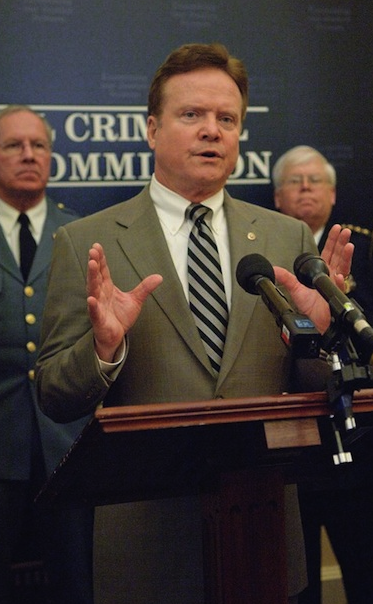 The legislation, introduced by Senator Jim Webb on March 26, 2009, was voted out of the Judiciary Committee Jan. 19, 2010 and awaits a final vote on the Senate floor. The Goal is comprehensive review of our criminal justice system with an establishment of a national commission with a 18 month time line. Here are the latest press releases on this bill from Mar. 9, 2010. That same day a photo shoot took place following Webb’s address to the international association of the Chief of Police. Finally for those who missed the bill’s introduction; here’s Webb’s 2009 address on the senate floor outlining his justification, where he talks about drugs, addiction, mental illness and incarceration. He points out that starting in 1980 we had 41,000 people in prison for drug offenses and now we have over 500,000 people in prison for drug offenses. He says we have 4 times as many mentally ill patients in prison than we do in mental institutions. We have gangs in 230 cities; not just on our borders! He talks about finding ways to reduce the population in prison and at the same time protecting our communities. We all need to stoke the fire under Senator Webb. Update by Mary S.
 America’s politicians and legislators are painfully silent about an epidemic of drug and alcohol addiction that continues to sweep mainstream USA. As the political drone continues on the subject of the drug war, crime and immigration we ignore the fundamental demand of drugs flooding into this country. Jamie lee Curtis discusses her own addiction in King of Pain. Ted Koppel finds himself mourning the loss of his son to addiction. Michael Douglas talks about his son’s drug dealing. Joseph Califano, an expert on addiction talks of rising demand in We Have Met the Enemy and He is Us. Demand is up and options for recovery are elusive with out deep financial pockets. In Florida, oxycodone alone killed almost 1200 persons in 09. In fact, more than 20,000 persons die from drug overdose each year in America. The point is that addiction touches too many Americans to remain silent about it. Politicians need to talk about treatment and recovery options available to all Americans on demand. Politicians need to see the drug war in real terms with solutions coming from reducing demand and treating addicts; not ostracizing them.
President Oba ma may not be all the way on board with a full blown revamping of criminal justice system as it relates to drug related incarceration and treatment, but his administration is moving towards removing some obvious inequities in drug law. In an article written by the Ethan Nadelmann of the Drug Policy Alliance, Nadelmann outlines these points in Obama Takes a Crack at Drug Policy Reform. If you want a detailed look at the subject, Change.org goes even deeper in its website page that explores many inequities in criminal justice and drug related sentencing. Nadelmann’s doesn’t say much about the most critical work underway and that is the larger issue of criminal justice reform relating to drug addiction and mental illness. That forces the issue of how to deal with addicts when you stop tossing them in jail for what is often, drug related anyways. It would truly be in the interest of all American’s if Obama was on fire for this more significant effort of Senator Jim’s Webb’s Criminal Justice Commission. If that work bears fruit, American’s will feel a big difference in moving towards a more compassionate approach to drug and alcohol addiction. That goes quite a bit beyond just being able to stroll down the street with a legal marijuana cigarette. Links by Mary.
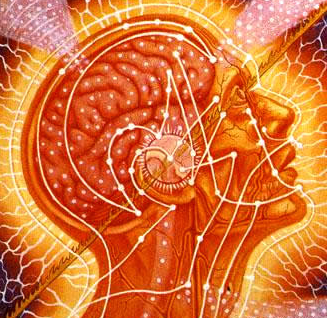 Tens of thousands of families in America probably want to know just how they can intervene in their loved one’s addiction. I would say do it fast and early. The more time wasted; the harder it becomes. There are so many factors that can lead to failure; why add rehab itself as one of the reasons? Should rehab facilities should be held more accountable to a workable recovery path? A July 2010 piece called Does Teen Drug Rehab Cure Addiction of Create it, puts this question in an useful perspective. This article can also be viewed in the Media Awareness Project. Another piece called Stigma Hinders Drug Users Recovery explores yet another factor of failure. Addiction is a difficult subject that we are always looking for clarity. Failure to make a transition to sobriety is a often a failure to find a safe context in which to succeed. The first year is a tough one for many. Education is important because the more we know about addiction, the more we can accept it for what it is, possibly accepting it as a medical condition. Save from the courage of a willful addict to come to terms with his own addiction, there is no magic bullet cure. Anything close to a cure, like methadone or suboxone is only a diversion to another dependence with different challenges. Harm reduction plays a big role in those choices. The Blog “drug addiction treatment” asks the question” Can We Cure Addiction, but doesn’t leave the reader with a “cure” So far we know that addiction is not cured. The cravings remain a threat to relapse. A fair amount of addicts eventually will quit (often with help) and just don’t use “one day at a time”. Success is gauged on vigilance and a safe context or surroundings. links by Mary.
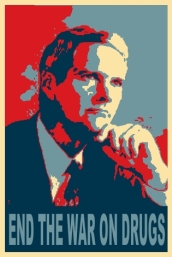 Judge Gray is a maverick in the world of drug policy and prohibition reform. Is this what America needs? Is the cost to fight the flow of drugs into America and eradicate all drug use just too much? What do you think? Judge Jim Gray is a man on a mission. Here are just a few quotes off his website; JUDGE JIM GRAY: “…At one point, I held the record for the largest drug prosecution in the Los Angeles area: 75 kilos of heroin, which was and is a lot of narcotics…” “…if we really want to deal a major blow to bin Laden and other terrorists around the world, we should repeal drug prohibition..” “…Without making allowances for any of these distinctions, we have attempted to incarcerate our way out of our drug-use problems…” “…That reminds me of the old saying, “If all you have is a hammer, everything you see looks like a nail….” “…Forget “zero tolerance” and recognize that for a tiny percentage of the population, drug use will persist…” “…The United States is now building a new prison every week to cope with the people serving mandatory minimum sentences for drug possession…” “…Today there are literally thousands of people in our state prisons because they did nothing but smoke marijuana…” You can also see hear some of his latest thoughts on the May 16th show archive from Coast to Coast. Always interested in all of your opinions. Fire up the debate! Lets get some work done!
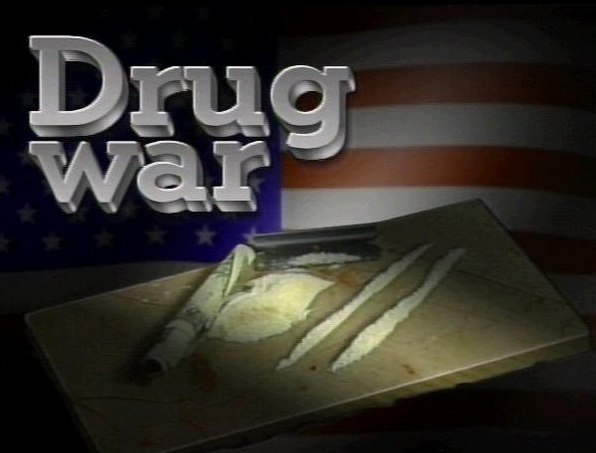 Decriminalization is the main point of this Guardian piece: War on Drugs: Bring Out The Peace Pipe. As the so call drug war wages war on humanity in industrialized countries it is literally tearing the hearts out of third world nations like Mexico. In the Mexico Drug War: The New Killing Fields, Rory Carroll puts it to words while you can see a bit of the daily activities of Mexico’s drug war foot troopers in Mexico’s Struggle to Win “War” on Drugs. The “drug war” means somewhat different things to different people depending on whether its pork for the DEA, political ammo for medical marijuana pharmacies, survival for those in the cross fire or heroin for an addict. One thing is certain, we are not winning this war. The definition of winning is a huge road block that has to be resolved. We need to talk about what winning is. Links by Mary.
The popula r online encyclopedia, Wikipedia puts US drug policy in a nutshell. Changing it might best be explained in CBS’s, A New Era For US Drug Policy. Here are two big efforts to watch in 2010 that will impact this. First off, S714, The Criminal Justice Commission Act of 2009 will impact addiction treatment in Jail and effect de-criminalization of use. Secondly, Obama’s 2010 policy strategy for 2010 , handled by the ONDCP will impact recovery efforts. You direct input can be facilitated by the DPA’s legislative toolkit. Check out a blog called TRANSFORM for further insights and a website called OVERCRIMINALIZED.COM which tracks S714.
The brain chemistry of addiction has puzzled doctors and psychiatrists for years fueling a debate on whether or not addiction is a medical condition. For that reason, in 2007 Senator Joe Biden wanted to change the name of the National Institute on Drug Abuse to the National Institute on Diseases, and change the name of the National Institute on Alcohol Abuse and Alcoholism to the National Institute on Alcohol Disorders and Health. The bill didn’t become law, but kept the debate going. Opposing views are chronicled in: Medical Misnomer… followed by convincing counter response written by the Institute for Addiction Study NIDA, The National Institute on Drug Abuse, claims that addiction is a chronic disease.
 Do you want to know where some of the drugs are coming from in the recent explosion of prescription pain pill addiction. Check out this August 20th piece: Feds Begin Crackdown on Online Pharmacies. Pharmacies in Utah and Illinois are at the heart of an illicit nationwide network providing prescription drugs over the internet, federal agents state in court papers filed in two cities. Link by JJ
When a teen becomes an addict, that person you once knew and planned a future for has effectively checked out. What you experience is an addict who will play you better than you can play them. After a period of time, your teen’s brain becomes progressively “hard-wired” to his or her drug of choice, to use a colloquial term. Re-setting and adjusting their brains requires a period of abstinence, which is near impossible for young restless addicts without early intervention. Achieving that abstinence can’t be done with out rock hard will power. Most of the time it is a very rough task for a young drug addict and as budgets continue to be slashed, we can’t expect too much intervention from local mental health authorities. Jails are a different story. See the rest of this article by clicking here.
 The frustration of a parent dealing with a teen and drugs is well known. Here is a PDF report that might help : Adolescent Brain Development and Drug Abuse. To make matters worse, 5 million adolescents suffer from clinical depression and 70% are undiagnosed. The numbers for drug & alcohol abuse are worse.; 10% of the 1.4 million American teens with SUD get treatment…” read the article here. Courtesy of “The Drug and Alcohol Scene”
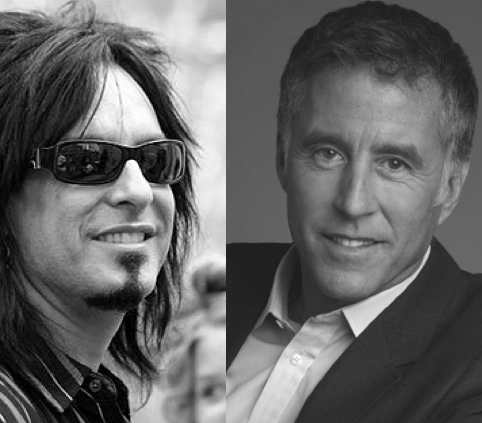 Actor Christopher Lawford and musician Nikki Sixx are two ex-addicts that live a sober life, share their stories and actively spread the word that recovery is possible. Sixx has had the courage to leave his drug life behind him and take a stand against drug abuse. Lawford has went on to become a leading speaker on the topic of substance abuse. They are have both been interviewed about rehab basics in a piece called Experts cite must-haves for effective rehab. The article cites a consensus of what constitutes sound rehab. Everyone who has been down that road from addicts to their broken families know that good rehab is not a guarantee just because its expensive. Basics count.
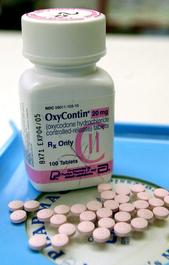 South Florida pill mills have been partly responsible in recent years for an explosion in addiction to pharmaceutical drugs like Oxycontin which we now know leads to the much cheaper heroin. As a result, new laws and regulation are going into effect limiting pharmacy abuse and the saturation of addictive drugs into South Florida communities. Back in March we were talking about cracking down on pill mills in Cracking Down on South Florida Pill Mills Following the work of activists quite a few new regulations have already begun to take hold. Where the display of pill mill advertising seemed every where, even in high schools, people are waking up. Parents are refusing to allow their schools from placing ads from pain centers, causing pain clinic ads to be pulled from Boca Raton Schools. Who would of thought. Keep the pressure on. Links from Keith and JJ.
 Depending on who you talk to, the percentage of drug addicts with serious mental illness is as much as 53%. That figure is from the National Alliance on Mental Illness It is a subject that flies in the face of state policies that define where publicly funded psychiatric intervention can apply, which is often reserved for those who are a threat to themselves or others. According to Dr. Glen Hanson, drug addicts can initially mask mental health issues and later make them a lot worse. What makes this so hard for families, is that state policies that mandate psychiatric evaluation are set up to define mental illness in a vacuum. Drug addiction is a whole other issue. It is defined as a self-inflicted condition based on an individuals choice. Treatment for addiction is illusive at best. But really came first the chicken or the egg; the addiction or the mental illness? In the U.S., there is an estimated 5 million adolescents that suffer from clinical depression. Does this mean that these adolescents will soon make up 2.65 million more drug addicts? Scary thought! Mental illness is basically under diagnosed, while drug addiction stymies the efforts of parents wanting to save their kids and can’t afford specialized care; care that insurance companies have so craftily excluded from most policies.
Inspired by the death of Heath Ledger, OxyContin Blues is a raw unflinching drama about prescription pill addiction in Hollywood.
ICSDP is a primary source for rigorous scientific evidence on illicit drug policy in order to benefit policymakers, law enforcement, and affected communities.
For millions of Americans, substance use progresses to a point where brief interventions are not sufficient to promote recovery Addiction treatment can be a critical—even lifesaving—resource in such situations, but only if it is readily available and of high quality. Making recovery possible is, therefore, key to effective drug control, and the Obama Administration’s Strategy focuses on: 1) Expanding addiction treatment in community health centers and within the Indian Health Service, 2) Supporting the development of new medications to treat addiction and implementation of medication-assisted treatment protocols and 3) The importance of domestic law enforcement, border control, and international cooperation. DOWNLOAD THE STRATEGY STATEMENT IN PDF
Lets hope it does all of that. The Obama administration has been talking about addiction in the context of being a medical problem which is a key definition. Once that understanding makes it mainstream, we can expect to end some of the incredible gut wrenching madness that families endure simply to save their loved ones from a fate worse that most can imagine. Check out Julia Negron’s poignant comment on the subject in Mom’s United…
Regarding the demoralizing “drug war”, leaders from Mexico, Brazil and Columbia have endorsed the Vienna Declaration which lists a range of harms stemming from the war on drugs, and notes that the criminalization of people who use drugs has resulted in record high incarceration rates, thereby placing a massive burden on taxpayers. The Vienna Declaration calls on governments and international organizations, including the United Nations, to take a number of steps, 2 of which are: 1) Endorsing and scaling up funding for the drug treatment and harm reduction measures endorsed by the World Health Organization (WHO) and the United Nations and 2) scaling up evidence-based drug dependence treatment options. Links by Mary S.
On July 13th 2009, http://www.dadonfire.net was born. We are quickly moving towards 15,000 views in just over one year. Not bad for a busy dad fed up with the whole reality of drug addiction and the impact it has had on my family and friends. I think one reason so many Americans are blind to the horrendous impact of addiction is partly the same reason folks are blind to many other big problems. Americans are just burnt out with the magnitude of it all. I will never say we don’t care. Like any burning issue, it is the flame of caring and wanting to make a difference that keeps people listening and transforming indifference into compassion. One day the disease of addiction will be rightly recognized as a legitimate medical condition along with all of its parallel indications of mental anguish. Many addicts are afflicted with bi-polar, depression, anxiety dis-order and other conditions that are very under diagnosed. The tools and minds are there. Once the American body follows, we will have it licked. Keep listening. Keep talking. Stay on fire. http://www.dadonfire.net.
“…Ibogaine, 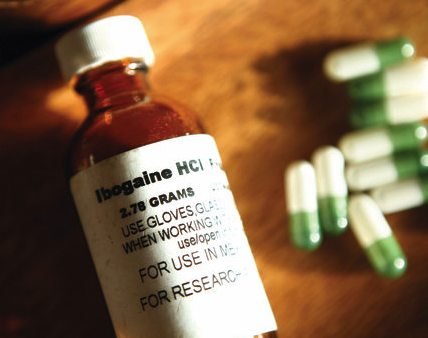 a brown powder derived from the African Tabernathe iboga plant, has intrigued researchers since 1962, when Howard Lotsof, a student at New York University and an opiate addict, found that a single dose erased his drug cravings without causing any withdrawal symptoms…” That is the claim and as evidence shows; it works; just not in the U.S. yet, at least legally. A drug addict can get legal Ibogaine treatment in Mexico. The Villa Serena Medical Center and the Ensenada Ibogaine Program both offer treatment in Mexico. Here’s some links to learn more. Fighting Drugs With Drugs…explores resistance in the U.S. to Ibogaine . Ibogaine.co.uk is an informative link base in the UK. Lastly, the Brooklyn based website; The Ibogaine Dossier is one other cyber site to look at. links by Jon R.
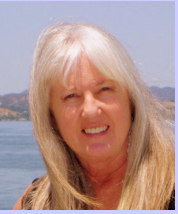 Here is an opportunity to hear the author of Tales of Addiction and four other books on addiction and healing speak about her experiences. Barbara Sinor chronicles the stories of addicts in Tales of Addiction including her own experience of losing a son to alcoholism. Listen to Barabara speak about her personal struggles as she shares the lessons she has learned from her own family and work in healing others. Link by Barbara Sinor
 DadOnFire
YOUR COMMENTS